


Contact Us
Bizler öğrencilerin yaratıcılığını keşfetmeleri, teknolojiye adım atmaları ve el becerilerini geliştirmesini sağlamaları için harika atölyeler kuruluyoruz.Uygun fiyatlı atölye teklifleriniz için bizimle iletişime geçin
- bilgi@teknomaker.com.tr
- 0850 888 87 58
- Kazımiye Mah. Narçiçeği Sok. No:23 Çorlu / Tekirdağ
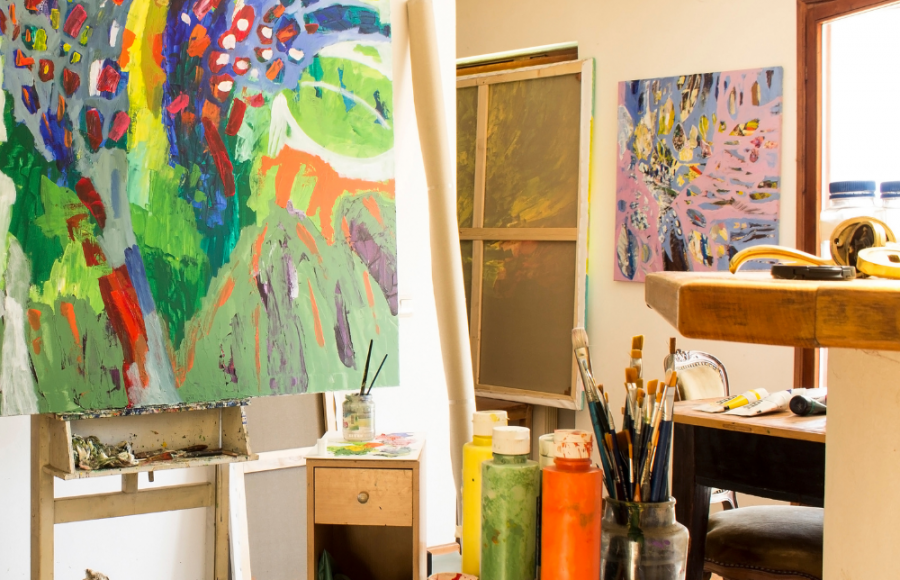
Visual Arts Workshop Plan: A Guide to Creating a Creative Workspace
The visual arts studio offers artists and students an ideal environment in which to realize their creative projects. An effective workshop plan increases the functionality of workspaces and supports artistic processes. As Teknomakerlab, we share the basic elements you should consider when creating a “Visual Arts Workshop Plan”.
1. Planning the Area
Classroom Layout:
- Work Spaces: Allocate enough space in the workshop for a variety of art projects. These spaces should be specifically designed for different disciplines such as painting, sculpture, ceramics and digital arts.
- Space Partitioning: Divide the workshop space into various working sections. This avoids clutter and disorganization and can be customized according to the needs of students and artists.
Storage and Access:
- Material Storage: Use shelves, cabinets and drawers to store art supplies in an organized and accessible way. Create compartmentalized areas according to the type of materials.
- Equipment Storage: Keep larger equipment in areas that can be easily accessed and safely stored.
2. Hardware and Furniture
Work Desks:
- Ergonomic Desks: Increase the comfort of artists and students by providing comfortable and functional work desks. Desks should be height adjustable.
- Specialized Desks: Use desks specially designed for painting, drawing, sculpture and other art forms.
Chairs and Seating Areas:
- Ergonomic Chairs: Choose ergonomic and comfortable chairs for prolonged sitting. The height and comfort of the chairs are important for long-term work.
- Rest Areas: Create rest areas to support the creative process. Comfortable armchairs or relaxation corners can help artists re-energize.
3. Selection of Materials and Equipment
Art Materials:
- Basic Materials: Keep paper, canvas, paints, brushes and other basic materials on hand. These materials should be used for various art projects.
- Special Tools: Provide tools for special projects such as sculpture, ceramics, etc. These tools include equipment that artists will need in their creative process.
Technological Equipment:
- Computers and Software: Get the computers and software needed for digital art and graphic design. High-performance computers and up-to-date software enhance artistic productivity.
- Multimedia Tools: Projectors, sound systems and other multimedia tools can be used for the presentation of art projects.
4. Lighting and Ventilation
Lighting:
- Natural Light: If possible, use plenty of natural light in the workshop. This ensures that the colors appear accurately and improves the working environment.
- Artificial Lighting: Provide the opportunity to work at night or in low light conditions by using sufficient and balanced artificial lighting. The fact that the lighting systems are adjustable is beneficial for a variety of art projects.
Aeration:
- Good Ventilation: Provide protection from damage caused by art materials and chemicals by installing proper ventilation systems in the workshop.
5. Health and Safety
Safety Precautions:
- First Aid Kits: Have basic first aid kits in the workshop and place emergency instructions clearly.
- Cleanliness and Hygiene: Provide the necessary cleaning products for the cleaning of materials and work areas. A hygienic environment is important for both health and working efficiency.
The visual arts workshop plan should be prepared with a strategic approach to increase the efficiency of artistic processes and studies. The layout of the space, the choice of equipment, and safety precautions are key elements of creating a successful workshop environment.